

It’s 2026, you say – so why are we still talking about digital inclusion, especially in the UK? Everyone has a smartphone, right?
Wrong.
Between 2018 and 2021, I worked as a Digital Inclusion Officer, and it was eye-opening to see just how many people are digitally excluded. It can really surprise you – some people have made an active choice to stay analogue, while others are vulnerable, overwhelmed, or simply confused by technology.

What is Digital Inclusion?
Digital inclusion is the process of ensuring that every individual has the access, skills, and confidence to safely use the internet to improve their life, wellbeing, and economic opportunities.
Often, when we talk about digital inclusion, we are also talking about digital poverty. Just think about how expensive broadband packages can be, never mind how confusing they are, and how large companies often seem to profit from that confusion.
Recently, I found myself in a very stressful situation trying to change my fibre optic package. It was incredibly difficult to navigate, and I’m someone who has been actively online since I was 17 and considers myself reasonably digitally savvy. I remember thinking: Imagine if I were a vulnerable client. I could easily have ended up paying three or four times more than necessary. So, what are the main factors that cause digital exclusion?
Causes of Digital Exclusion
- Cost and affordability
One of the biggest barriers is simply the cost of digital participation. People may fall behind on broadband or mobile data charges. Devices such as laptops or smartphones can be entirely inaccessible to some, and once broken, can be hard to replace. Additional elements like software subscriptions and digital services are often required, which adds a whole new cost element.
- Lack of digital skills, confidence, and trust
Many people have limited digital skills or feel anxious about using technology. This can include navigating government services, online banking, or even using email. Many are concerned about spotting scams and misinformation. Some people avoid digital services because they fear scams or fraud, distrust data collection, worry about privacy, or have experienced online abuse or harassment.
- Age-related barriers
Older adults are statistically more likely to experience digital exclusion, particularly if they did not use digital technology during their working lives. They may struggle with rapidly changing platforms and apps and have limited support networks.
- Disability and accessibility challenges
Disabled people can face major barriers if websites, apps, or devices are poorly designed. Common issues include inaccessible websites, lack of screen-reader compatibility, small text, poor contrast, and complicated navigation.
- Poor connectivity and infrastructure
Some rural and coastal areas still experience slow broadband, unreliable mobile coverage, and limited public Wi-Fi access. Even where infrastructure technically exists, quality and affordability may still be poor, further blocking digital inclusion.
- Education, literacy, and language
Lower levels of general literacy and media literacy can make online participation difficult. Similarly, people who speak English as an additional language may struggle with government websites, healthcare systems, and technical terminology.
- Social isolation and “Digital by Default”
A growing number of UK services now assume internet access – from benefits and banking to GP appointments. Many organisations have gone digital without fully considering their users’ needs. This has contributed to a wider digital divide, alongside poverty and educational inequalities.

What can organisations do to help?
Being online can benefit health, wellbeing and opportunity, but how can organisations, improve the support they offer to some of their most vulnerable users and customers?
They can provide affordable access to Wi-Fi, build confidence alongside skills, design accessible services using plain English, and collaborate with trusted community partners like UK based Good Things Foundation, who help to tackle this through community-based Digital Inclusion Hubs, free mobile data, device access and digital skills training.
Opening up Entrepreneurship with Women 5.0
While the most urgent face of this crisis is digital poverty, the ‘divide’ exists on a spectrum. Whether it’s a vulnerable person struggling to access a GP or an entrepreneur trying to break into the business landscape, digital barriers are locking them out.
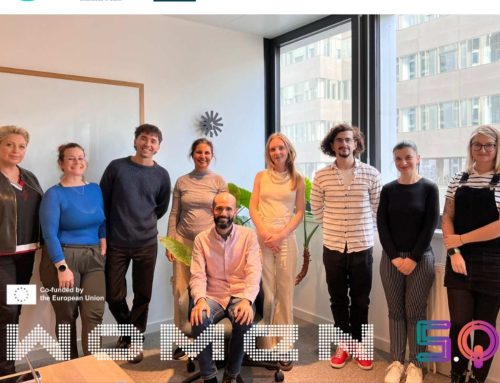
Brussels based organisation All Digital believes that every European should be empowered to harness the benefits of our digital world. Through our collaboration on the Women 5.0 project, we are specifically ensuring that women entrepreneurs, too often sidelined by a complex tech landscape, have the training and tools to level the playing field. From AI and automation to financial management, these courses are open to everyone, turning technology from a barrier into a competitive advantage.
Working on digital inclusion becomes a vehicle for creating a more equitable, gender-equal business landscape. Whether we are supporting a vulnerable citizen or an aspiring business owner, the goal remains the same: a world where no one is locked out.



Leave A Comment