

In this article Enterprise Evolution’s Alison Price explores how women’s health, caring responsibilities and workplace barriers affect career progression and workforce participation in Ireland.
The “glass ceiling” was a term coined in 1978 by Marilyn Loden to describe the invisible yet persistent barriers that prevented women from advancing to senior roles despite their experience or qualifications.
Putting a name to this phenomenon has been key to both understanding and exposing the bias and creating the changes needed across boardrooms and within leadership teams. However, nearly fifty years later, the idea of a “glass ceiling” no longer feels sufficient to describe the loss of women workers across the workforce.
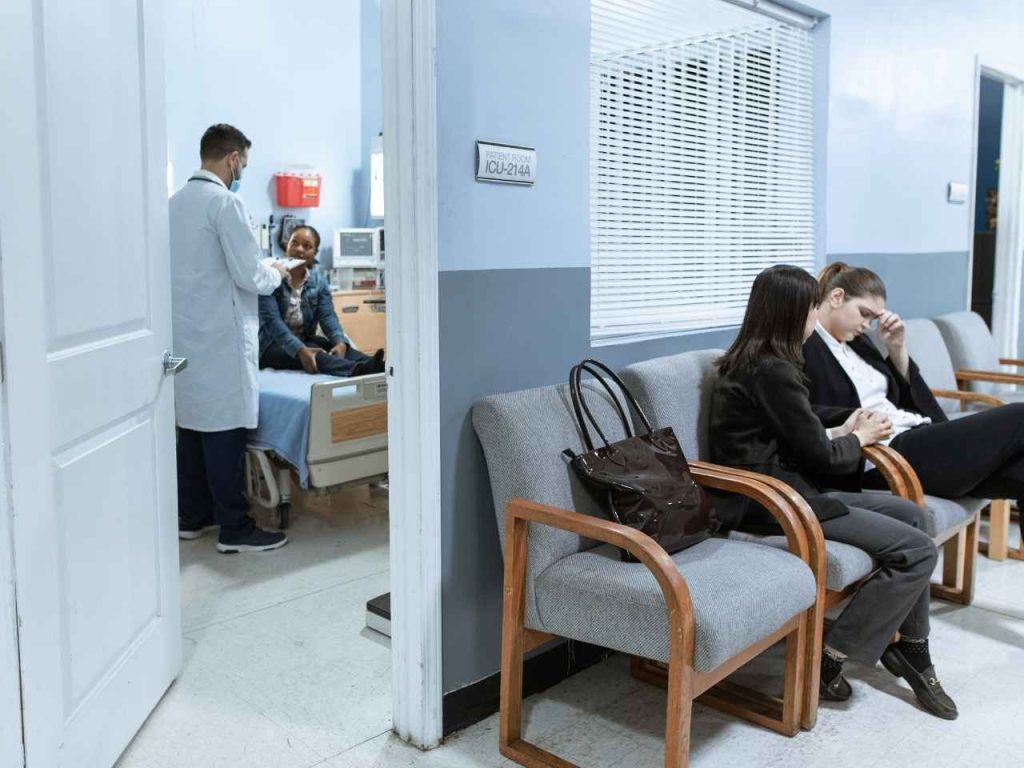
Why are experienced women in Ireland leaving the workforce before retirement?
Increasing evidence shows a much more significant issue: that of a “leaky pipeline.” This “leak” is effectively a gradual “brain drain” of experienced female staff stepping away from training and promotion opportunities or leaving the workforce entirely. Ultimately, this impacts upon individuals, households and income, as well as companies and the economy
This, together with other identified costs or “penalties” that can impact directly on women during their working lives, such as the “motherhood penalty”, creates an economic pipeline of loss. Most recent analysis of older workers highlights a clear impact on career advancement as well as salary and pensions, which disadvantages women, companies and the economy.
What do the latest Irish figures show?
Analysis of the female career progression pipeline shows the Irish economy losing women at every stage.
A recent report from Balance for Better Business (B4BB), Why Women (50–65) Exit the Workforce Earlier than Men in Later Career Stages recognises a significant gap around the 50-65 age cohort. This coincides with the key period when many professionals would otherwise be reaching senior executive and board-level positions, yet women hold only 8% of executive director roles in Ireland’s largest listed companies, according to B4BB’s March 2026 board data.
When experienced women leave the workforce at greater rates than men, organisations risk losing valuable talent and future leadership, as well as broader perspectives and understanding.
Significant pressures through the entire “pipeline” are removing talent, experience and perspective from the workforce.
Enterprise Minister Peter Burke states that accroding to data, organisations with gender balanced leadership are “better equipped with the capabilities and talent to navigate change, enhance their competitiveness and unlock future growth”.
How do health and caring responsibilities affect later careers?
Reasons for withdrawing from training, promotions, or the workforce entirely, are individual and often personal. However, these leaks in the progression pipeline show clear evidence of unequal support. Collectively they create a lack of older women’s voices and experience. This is a significant missed opportunity within local economies and across companies.
Ireland’s 2022 Census found that women were 61% of unpaid carers, and almost two-thirds of all carers were aged 40 to 64. This is the period when many people are seeking promotion or taking on leadership responsibilities. As caring responsibilities fall unevenly on women, it can reduce the appetite, time and flexibility available for advancement or development, or affect the assumptions of employers.

How does menopuase effect women leaving the workforce?
The 2026 B4BB report highlights the impact of caregiving and menopause, with 9.2% of older women leaving the workforce because of their symptoms and a lack of support. It also looked deeper at the implications of these pressures for job mobility and career progression. Their work suggests reduced job mobility in this age group, which also limits career progression and creates a disproportionately higher cost for women. This impacts across the economy, as well as on women’s own health and retirement.
Health inequalities and unequal care responsibilities can significantly narrow women’s access to full-time work, progression and leadership before they reach senior roles. The evidence shows women building skills and progressing, only to be held back by workplace bias and inflexibility. Combined with caring responsibilities and health needs, this leads many to consider leaving: the B4BB report found that over a third (36.3%) of women in Ireland had already considered it.
Collectively, the bias and assumptions that underpinned the “glass ceiling” remain, but are now exacerbated by the bias that stems from part-time working, menopause, caregiving, and inflexible working arrangements to create a pipeline that fails to support women in the workplace.
What can employers to do retain experianced women?
Caring responsibilities, stigma of part-time work, reduced access to training, workplace inflexibility, health needs and assumptions about age and gender can all shape progression, promotion and leadership opportunities. However, the B4BB report also recognises how flexibility or workplace support can make it possible to stay in the labour market. It explores how employers can start by examining where women’s experience and contribution are not translating into opportunity. Practical steps include:
- Review and understand the patterns within recruitment, training, promotion, working patterns and exits by age and gender.
- Offer practical health support, including flexible arrangements, supportive absence processes, access to occupational health advice and management training to support new policies.
- Make sure flexible work and caring leave do not reduce access to or capacity for training, visibility, promotion or leadership pathways.
- And most critically, ask employees what is creating barriers, work collaboratively to address them, and then measure the impact on retention, development and progression.
Keeping the pipeline open
Both the glass ceiling and the idea of a leaky pipeline draw attention to different parts of the same challenge: access to senior roles and the conditions that allow women to stay active within the workforce, and progress. Action is needed which “removes barriers without questioning capability” (BBC Radio 4’s Woman’s Hour) to avoid the loss of talent and experience that impacts beyond teams and companies, through to households, long term finances and ultimately economies.
Enterprise Evolution supports organisations across Ireland and Northern Ireland to address women’s health in the workplace. Find out more about our Community Advocates for Women’s Workplace Wellness initiative, read our article on addressing women’s health inequalities across Ireland, or explore the free Women’s Workplace Wellness resources from The Women’s Organisation.
Sources and further reading
BBC News (2017). 100 Women: “Why I invented the glass ceiling phrase”.
BBC Radio 4 (2026). Woman’s Hour. Broadcast 19 October 2026.
Balance for Better Business (2026). Why Women (50–65 years of age) Exit the Workforce Earlier than Men in Later Career Stages: Irish and International Perspective and Policy Recommendations. Published 25 September 2026.
Balance for Better Business (2026). Ireland’s largest listed companies sustain momentum on female representation on boards, according to latest Balance for Better Business data. Published 8 March 2026.
Central Statistics Office (2023). Census of Population 2022 Profile 4 – Disability, Health and Carers: Carers. Published 28 September 2023.
Doris, A., O’Neil, D. and Sweetman, O. (2025). Why do the earnings of male and female graduates diverge? The roles of field of study, motherhood, and job dynamics. Oxford Economic Papers.


Leave A Comment