

Advice from EPIC-X founders and partners to Irish deep tech startups on connecting their local assets to sector expertise and European networks
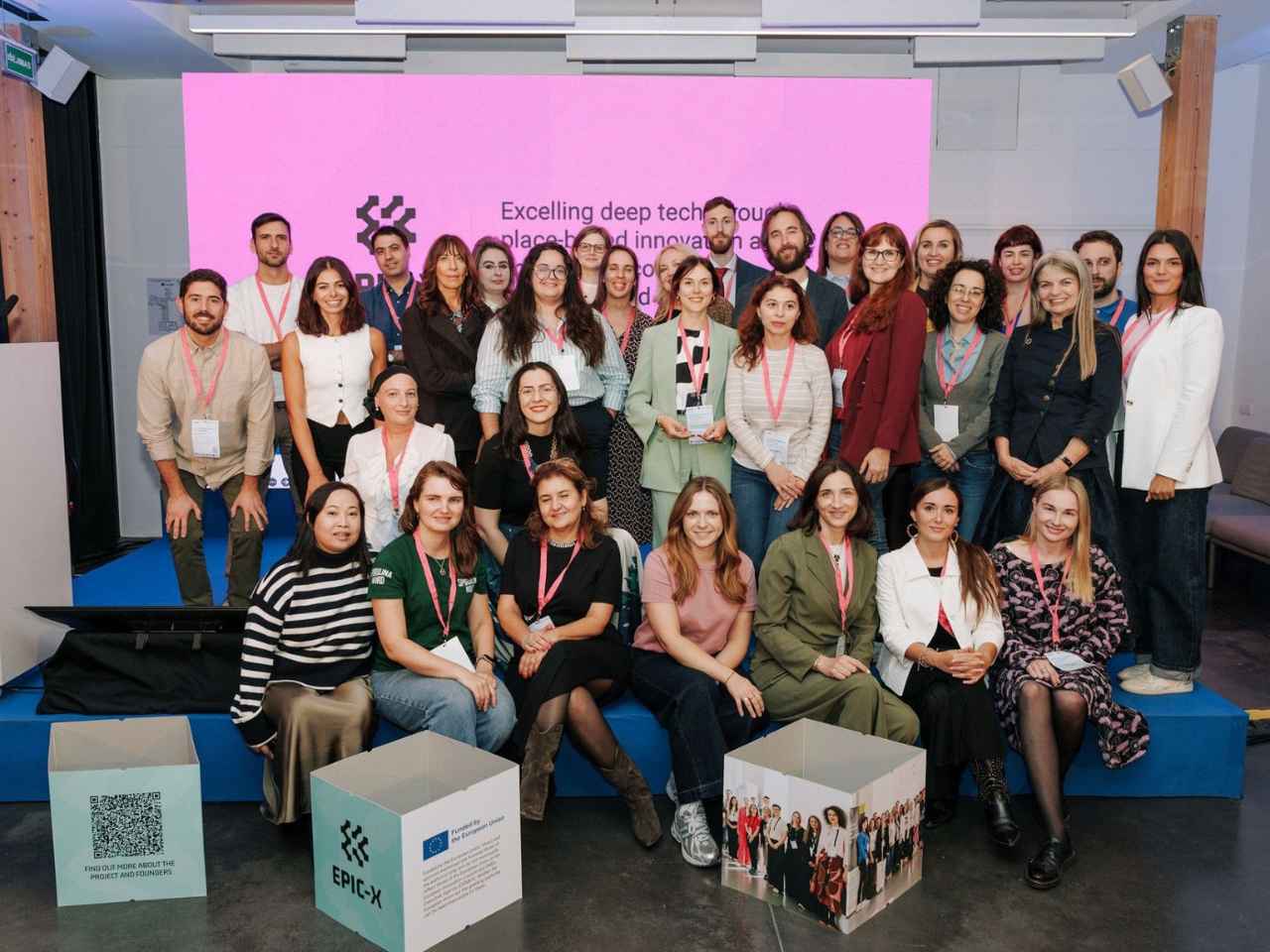
Deep tech startup founders pictured with partners in Vilnius, Sept 2026.
Does location matter for Irish deep tech startups?
One of the many lessons that underpinned our approach to the 2026 cohort of EPIC-X deep tech founders was that location DOES matter. Enterprise Evolution, together with our EPIC-X partners, sought to understand the vital importance of ecosystems and how they can accelerate innovation.
Within deep tech, scaling research and innovation into successful businesses requires networks and access, both locally and beyond. Specialist research, equipment and sectors create relationships and links that are often forged in particular cities or rooted in existing ecosystems, and so location can matter when trying to scale.
EPIC-X is an EU consortium project that understands the inherent scientific and technological risks in proving a market in deep tech, with its longer development cycles, the need for specialist equipment, as well as industrial partners and capital that can wait for evidence to mature. Accelerators, university/research support and a strong local base can help a founder build an ecosystem with research teams, sector specialists, industry customers, shared infrastructure, funders and other founders. But the EPIC-X cohort “master class” series also showed how a wider ecosystem can help businesses scale.
What does Ireland’s innovation record tell founders?
The European Commission’s European Innovation Scoreboard 2026 classifies Ireland as a Strong Innovator, at 118.6% of the EU average and sixth among EU member states, indicating real strengths in tertiary education attainment, labour productivity and the share of people with above-basic digital skills. Ireland was also recognised for strong research – industry links, creating an infrastructure a deep tech founder can build on (EPIC-X masterclass 2026).
However, a strong national innovation score does not tell us whether a developing company can access these vital resources. This is especially relevant with Deep Tech startups requiring more than one kind of partner. A local university may help address technical questions, but validation, regulation, manufacturing, finance and first markets will involve organisations elsewhere.
The development of a network should follow the company’s technical and commercial needs, locally and globally, and Ireland’s infrastructure is developing to support this.
Is Ireland an effective ecosystem for deep tech?
A deep tech ecosystem is a connected set of capabilities and relationships around a technology and its market: the place where expertise, equipment, research, firms, customers and investors can work together. Enterprise Ireland’s Technology Gateway Network seeks to support start-ups in exactly this way. A Gateway is designed to be a first point of contact when a company needs applied research or specialist equipment. They are embedded in technological universities and institutes and span areas such as medical technology, precision engineering, wireless solutions, renewable energy, bioscience, materials and healthcare. For a founder, their value is not just their location: they can offer applied research, access to specialist equipment and a credible first technical partner.
17 Gateways operate through technological universities and institutes. Vitally, they are providing open access points to research and technology support for companies of all sizes, co-financed by the Irish Government and the European Union. Since 2013, the network has completed more than 8,500 industrial projects with a total value above €75 million. The programme is co-financed by the Irish Government and the European Union through regional programmes.
What makes an ecosystem useful is the expertise and industry relationships it puts within reach. Deep tech founders need to build connections beyond their immediate location and work across traditional borders.
What does the European perspective add?
Founding teams should map the whole business and its value chain early, including research partners, specialist facilities, regulators, manufacturing or trial partners, investors and customers. A regional base can anchor a company close to a strong technical asset. European networks can connect that asset to the people and markets needed for growth.
EPIC-X is one example of such a cross-border approach. Through its 2026 six-month Acceleration+ Programme, it connected and supported 20 women-led deep tech start-ups from 16 countries, including Ireland.
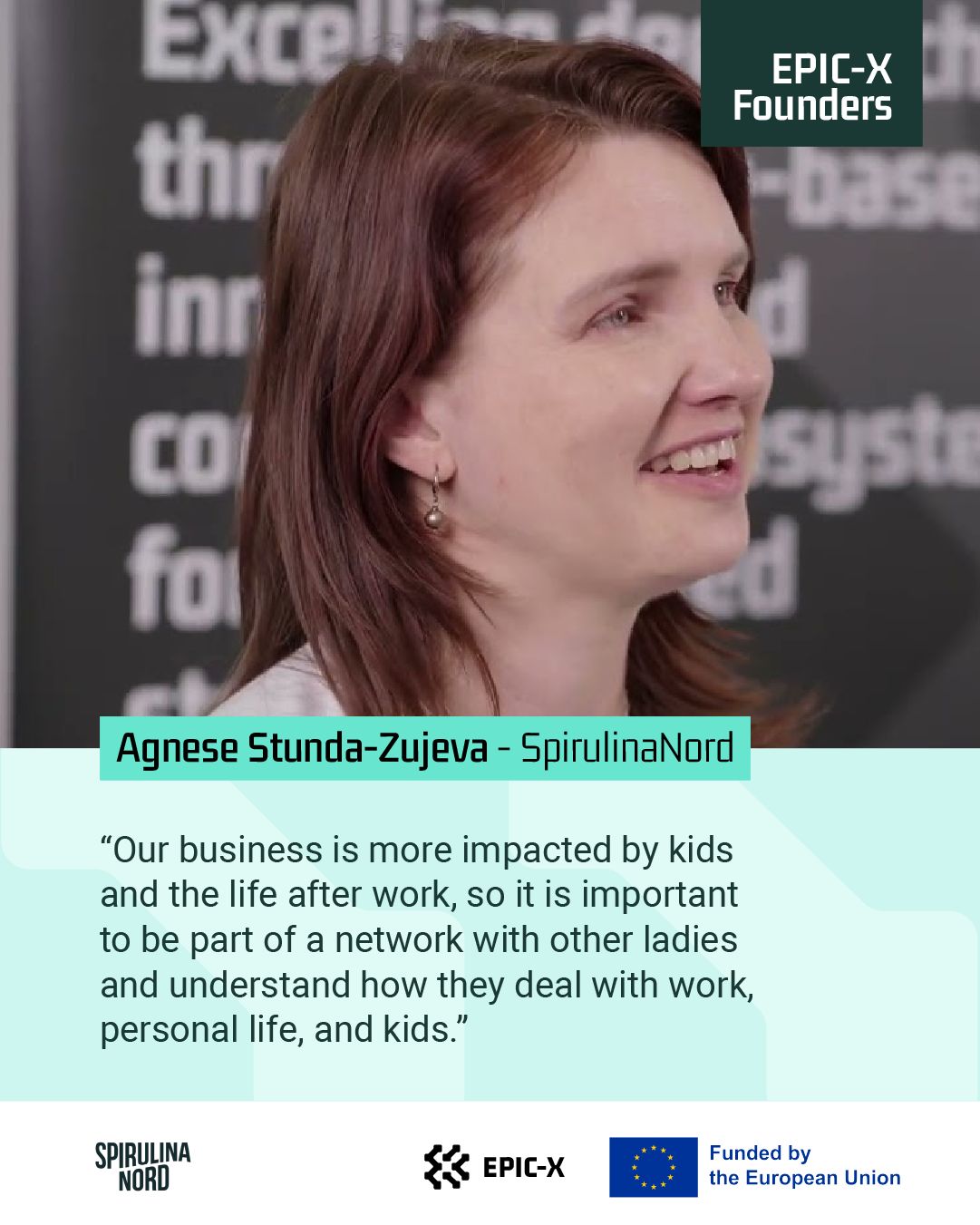
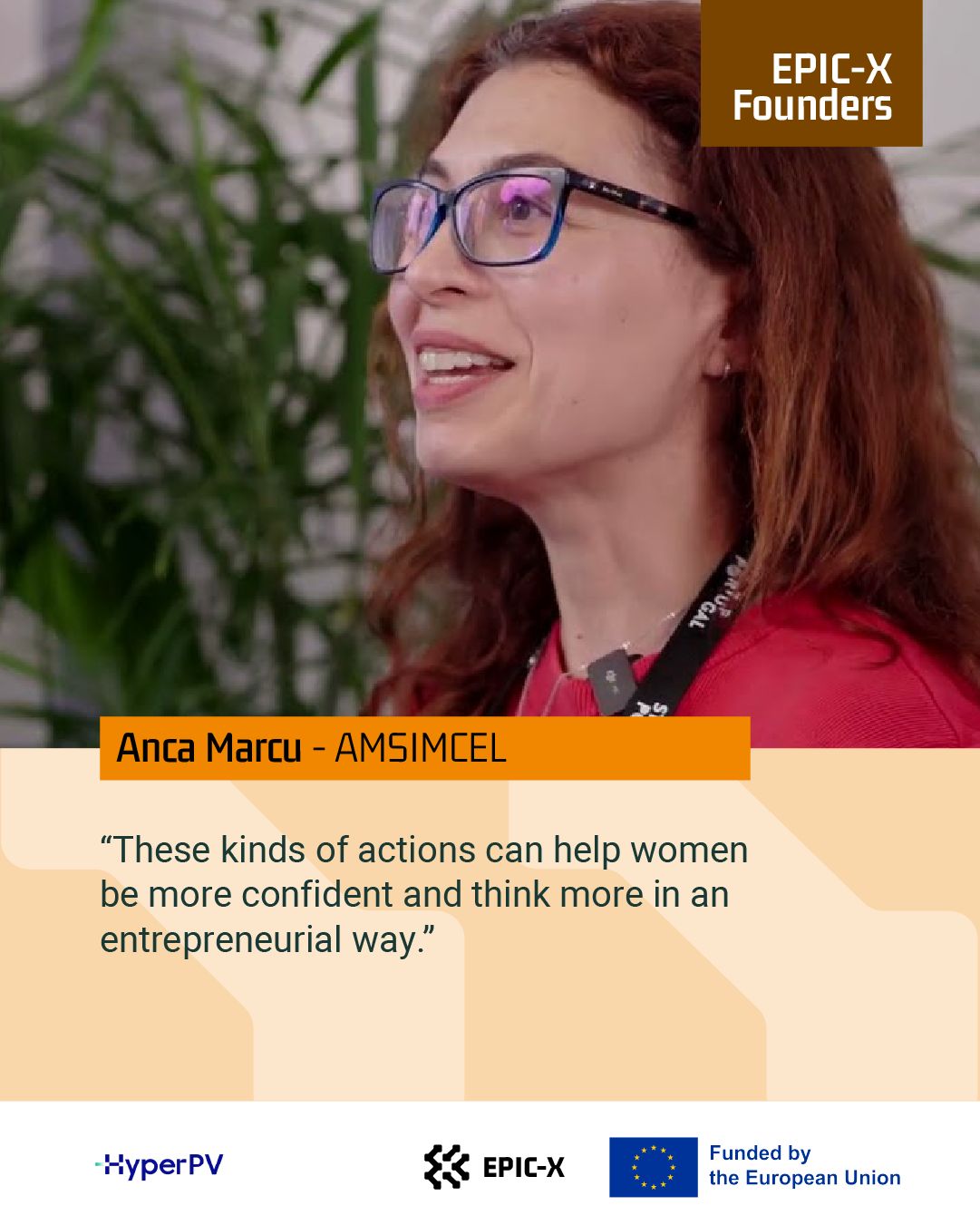
The programme combined tailored roadmaps, mentoring, expert support, masterclasses, networking and investor connections. It aims to link local innovation with wider European ecosystems and growth opportunities, building a network among emerging innovators. The programme’s gender focus matters because women founders – especially women in deep tech- experience inequalities in access to networks and opportunities. EPIC-X aims to help address these gaps.
An EIT-led study of 7,165 deep tech start-ups across 37 European countries found that, on average between 2010 and 2022, 17.4% of deep tech start-ups had at least one woman founder. It also reported that women-led deep tech start-ups received 15% of seed funding. EPIC-X works with its founders to support them in working within this whilst building connections across a wider ecosystem.

What should founders ask before they scale?
Location matters when repeated hands-on research, specialist equipment, manufacturing trials or trust depend on being nearby. A deep tech ecosystem also includes the people, capabilities, infrastructure, capital and first customers a company can reach through sector and industry networks. Founders of Irish deep tech startups can start by identifying the capabilities and relationships their company will need, then ask:
- Which research team or industry partner understands the problem we are trying to solve?
- Which research expertise, facility, equipment or data is critical to the technology?
- Which technical capability or piece of equipment is hardest for us to access?
- Where can we test, validate or manufacture the technology with a credible first partner?
- Which European deep tech funding, investor, IP or market relationships should we build before the next round?
- Which founder and sector networks can help us make those connections and learn from peers?
“Don’t let your postcode limit you” is a critical reminder of this challenge. Start with the local research assets a technology needs, then build relationships that connect them to partners and markets across Ireland and Europe. In deep tech, location may shape the starting point; the ecosystem is the network that makes scale possible.
Acknowledgments and Sources
Source note. This article is informed by the September EPIC-X masterclass “Ireland as a Deep Tech Nation”, delivered on 2 September 2026 by Siobhán Finn, CEO of Community Enterprise Association Ireland (CEAI). Thank you to her and CEAI for sharing her analysis (unpublished) with the EPIC-X cohort.
- European Commission, European Innovation Scoreboard 2026, Country Profile Ireland
- Central Statistics Office, Business Expenditure on Research and Development 2023 (Final) – 2024 (Preliminary), key findings
- Department of Enterprise, Tourism and Employment, Regional Enterprise Plans
- Enterprise Ireland, Technology Gateways
- EIT, European Investment Fund and European Investment Bank Advisory Services, Women Founders in European Deep Tech Start-ups, study findings published 18 November 2024
- European Commission, EPIC-X Open Call for Women-Led Deep-Tech Start-ups, deadline 5 January 2026
- European Commission CORDIS, EPIC-X project fact sheet, grant agreement 101193579
- EPIC-X official website
- Enterprise Ireland, Women in Business, current programme and support information


Leave A Comment